
'/%3E%3C/svg%3E)

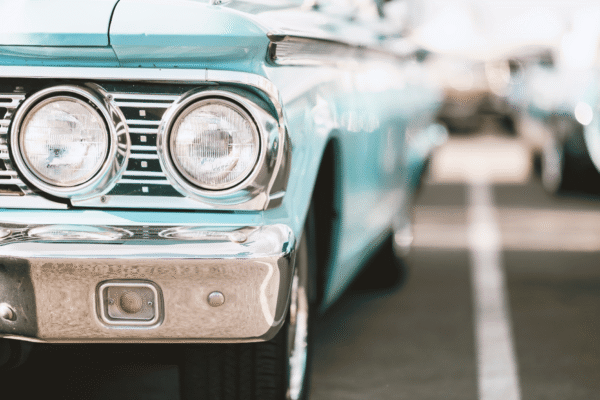
For many drivers, an older car is more than just a way to get around — it’s a reliable companion, a financial decision, or even a sentimental treasure. Whether your vehicle has seen over 100,000 kilometers or just crossed its 10-year mark, proper care can keep it running smoothly for years to come.
The good news? Extending the life of your older car isn’t complicated — it just takes a bit of attention, consistency, and the right know-how. In this article, we’ll break down practical, cost-effective tips to maintain your aging vehicle, prevent common issues, and avoid costly repairs down the line.
🚘 Why It’s Worth Keeping an Older Car in Good Shape
With the rising costs of new vehicles, insurance, and maintenance, keeping your older car in top condition can save you a significant amount of money. Older cars also:
- Have lower depreciation than new cars
- Are usually cheaper to insure
- May have simpler mechanical systems that are easier to repair
- Don’t burden you with monthly car loan payments
That said, aging vehicles need more proactive care. Here’s how to give your car the TLC it deserves.
🛢️ 1. Stick to a Strict Oil Change Schedule
Oil is the lifeblood of your engine, and it becomes even more critical in older cars. As engines age, they’re more prone to wear and tear — and dirty oil only accelerates the problem.
🔧 Best Practice:
- Change oil every 5,000 to 7,000 km (or sooner, depending on your driving habits)
- Always use high-quality oil suited for older engines (some oils are designed to reduce leaks and improve compression)
- Replace the oil filter every time you change your oil
👉 Tip: Consider switching to high-mileage motor oil, which includes seal conditioners to reduce leaks and extra detergents to keep the engine cleaner.
🔋 2. Keep Your Battery and Electrical System Healthy
Older vehicles are more vulnerable to battery drain, corrosion, and alternator issues.
🔧 Best Practice:
- Check your battery terminals regularly for corrosion
- Test the battery every 6 months
- Turn off interior lights and electronics when the engine is off
- Replace the battery every 3–5 years, even if it seems fine
🔍 If your headlights dim when idling, your alternator may be struggling — get it tested.
💨 3. Don’t Ignore Small Noises or Warning Lights
Your car “talks” to you through warning lights and sounds. A small rattle or check engine light could signal a minor issue — or the beginning of a major repair.
🔧 Best Practice:
- Scan your car with an OBD-II reader or have it checked at a shop
- Address minor problems before they worsen
- Don’t delay on issues like brake squealing, fluid leaks, or rough idling
🚨 Procrastination is one of the biggest reasons older cars fail early.
🧼 4. Protect the Undercarriage and Bodywork
Rust and corrosion are common in older cars — especially in humid climates or regions that use road salt. Once rust starts, it spreads fast.
🔧 Best Practice:
- Wash your car — especially the undercarriage — at least once a month
- Apply rust-proofing or undercoating treatment every 1–2 years
- Keep drain holes clear so water doesn’t collect in doors or trunk
- Touch up chipped paint to prevent rust from forming
A clean car isn’t just about looks — it’s about longevity.
🔄 5. Maintain Transmission and Brake Systems
Transmission and brake repairs can be costly, so preventive maintenance is key.
🔧 Transmission:
- Check fluid levels monthly
- Replace transmission fluid and filter every 50,000–100,000 km
- Avoid aggressive driving that puts stress on gears
🔧 Brakes:
- Check brake pads every 10,000 km
- Replace pads before they wear too thin to protect your rotors
- Bleed and replace brake fluid every 2–3 years
💡 Soft or spongy brakes? Don’t wait — get them inspected immediately.
🛞 6. Rotate and Align Tires Regularly
Tires on older vehicles can wear unevenly if the suspension isn’t in perfect shape.
🔧 Best Practice:
- Rotate your tires every 8,000–10,000 km
- Check tire pressure monthly
- Get a wheel alignment once a year or if you notice pulling to one side
Balanced tires extend not only tire life but also fuel economy and suspension life.
🧊 7. Monitor the Cooling System
An older car’s radiator, hoses, and thermostat are all vulnerable to wear — and overheating is a quick way to kill an engine.
🔧 Best Practice:
- Flush and replace coolant every 2–3 years
- Check hoses for cracks or swelling
- Keep an eye on your temperature gauge — if it climbs, pull over
A single cooling failure can lead to a blown head gasket, a very expensive repair.
🧰 8. Stick to a Maintenance Log
Many older car owners don’t keep track of their services — but having a maintenance log can help you plan ahead and spot patterns.
🔧 What to Record:
- Oil changes
- Battery replacements
- Fluid top-ups and flushes
- Brake and tire servicing
- Repairs and part replacements
Not only does it keep you organized, but it also adds resale value to your car if you ever sell it.
🌬️ 9. Don’t Forget the Cabin and Interior
While mechanical care is critical, keeping the interior clean and comfortable makes your older car feel newer.
🔧 Best Practice:
- Vacuum seats and carpets monthly
- Use sunshades or UV protectant to prevent dashboard cracks
- Replace worn floor mats and headliners
- Check and replace cabin air filters to maintain airflow
These small touches keep your car pleasant to drive — and help prevent mold, odors, and premature wear.
🛠️ 10. Build a Relationship with a Trusted Mechanic
Older cars often need occasional repairs or diagnostics that you can’t DIY. Having a mechanic who knows your vehicle’s history can save time and money.
🔧 Best Practice:
- Visit the same shop when possible
- Get second opinions before big repairs
- Ask about OEM vs aftermarket parts for price-performance balance
A good mechanic can help you extend your car’s lifespan without upselling unnecessary services.
✅ Conclusion: Keep It Running, Keep It Reliable
Your older car still has plenty of life left — if you treat it with care. From staying on top of oil changes and tire rotation to addressing warning signs early and protecting the body from rust, routine maintenance is your best investment.
By following these essential tips, you can enjoy years of dependable driving, reduce the risk of unexpected breakdowns, and keep more money in your pocket.
Remember, it’s not just about keeping your car alive — it’s about keeping it safe, efficient, and enjoyable to drive. So roll up your sleeves, pop the hood, and give your old ride the love it deserves.